
Every gardener loves new tricks to help their plants. Especially if it’s an inexpensive way to help your plants stay healthy.
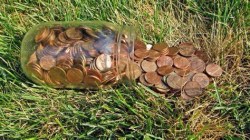
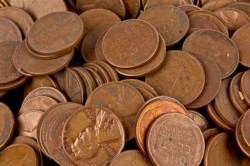
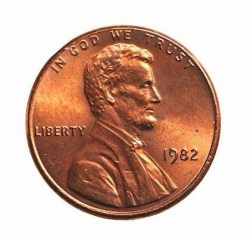
Copper. Up until 1982, pennies were made of 95% copper. A metal that is known for its anti fungal properties. After the 1982 Pennie’s, they started making them with mostly zinc and a thin copper coating.
One way to use pennies now since they stopped making them, you can put them in the bottom of your plant pots.
#1. Natural Antibacterial
Copper has strong antibacterial properties, so much so that even its alloys tend to be attacked much less than other metals. Copper is now used for disinfecting water, as it kills the bacteria present.
One study found that storing water in copper pots reduced the harmful bacteria. The metal disrupts bacterial growth.
Copper is used to protect plants. Copper-rich pennies help the roots and plant by making it less prone to bacterial attacks. Although they will not be as effective as industrial fungicides or pesticides, they are a lot cheaper—literally pennies
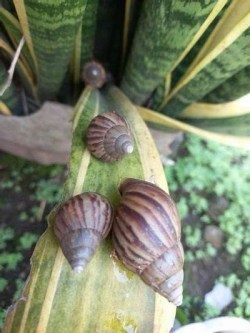
#2. Repels slugs and snails
Pests hate copper, when they touch copper, it produces an electrical charge that irritates their skin which is enough to help keep them away. Some gardeners have used copper rings or copper tape as well.
#3. Helps fights fungal issues
Copper is known to help damage fungal cells and lowers the chance of spreading, which helps reduce the chance of root rot.
Accidental over watering is an invitation for root rot and fungal issues. Pennies buried in the soil will help protect the plant from these issues.
#4. Nutrients
Old Pennie’s slowly corrode and can release copper into the soil giving your plant a nutrient boost.
Tips :
* Wash your Pennie’s with vinegar and salt mixture before putting them in the soil to help remove the gunk on the Pennie’s.
* Use pre – 1982 Pennie’s
* Bury the Pennie’s a few inches deep at least.
Till next time,
~ Mel
 Arts &Crafts, How-To's, Upcycling & Repurposing
Leave a comment